The primary objectives of Life Foundation
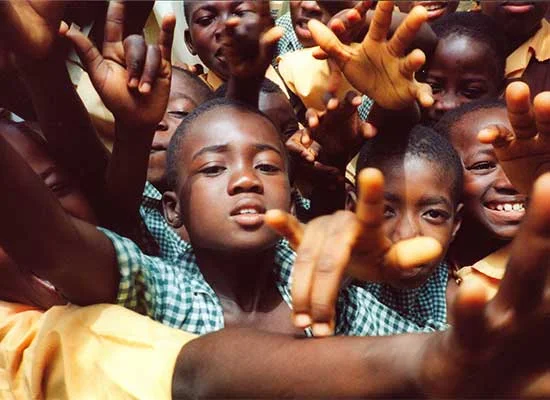
Relief of the Poor
Providing food, clothing, shelter, and financial assistance to underprivileged populations.
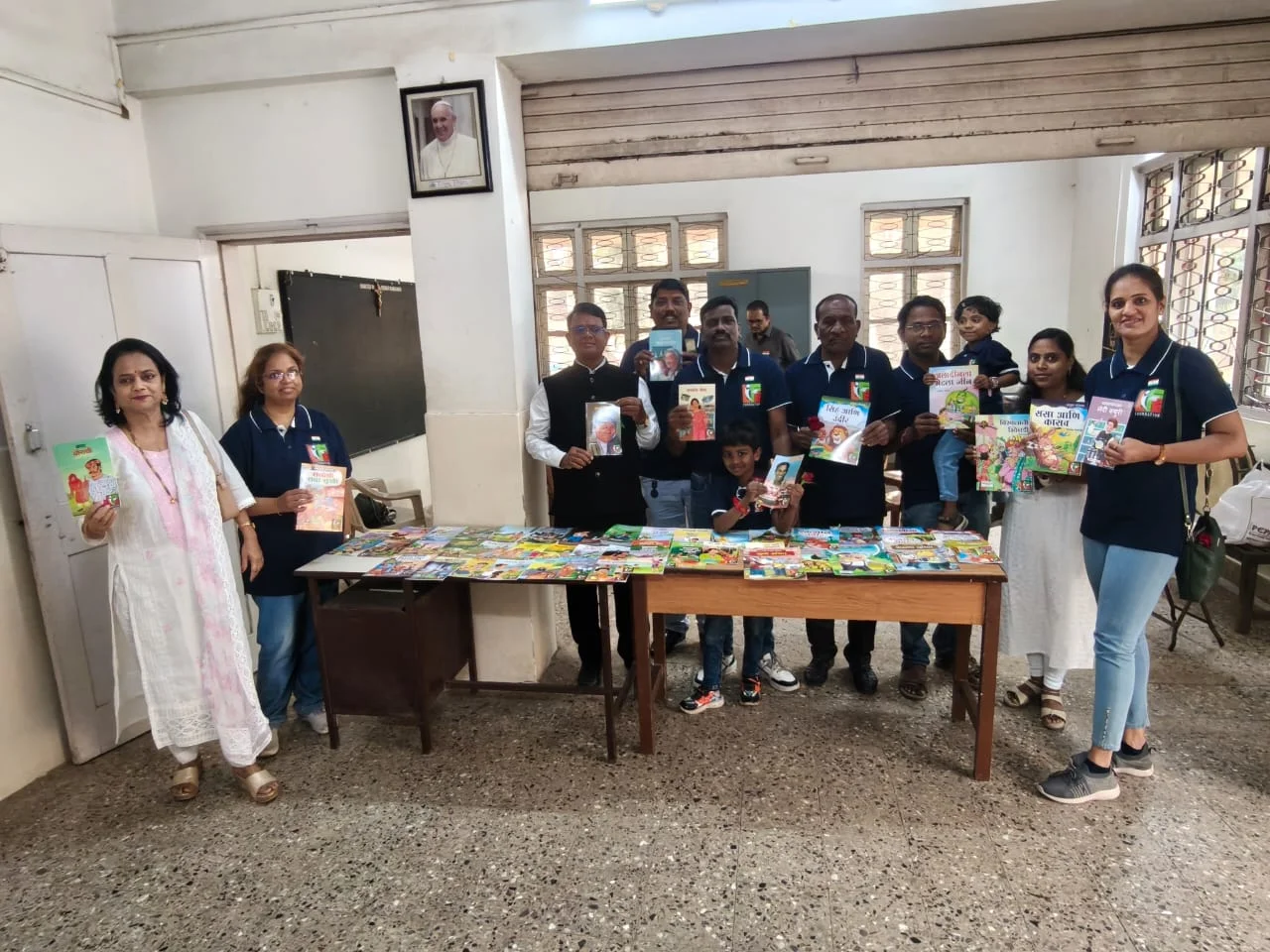
Education
Establishing and managing schools, colleges, vocational training canter’s, and providing scholarships or research grants.
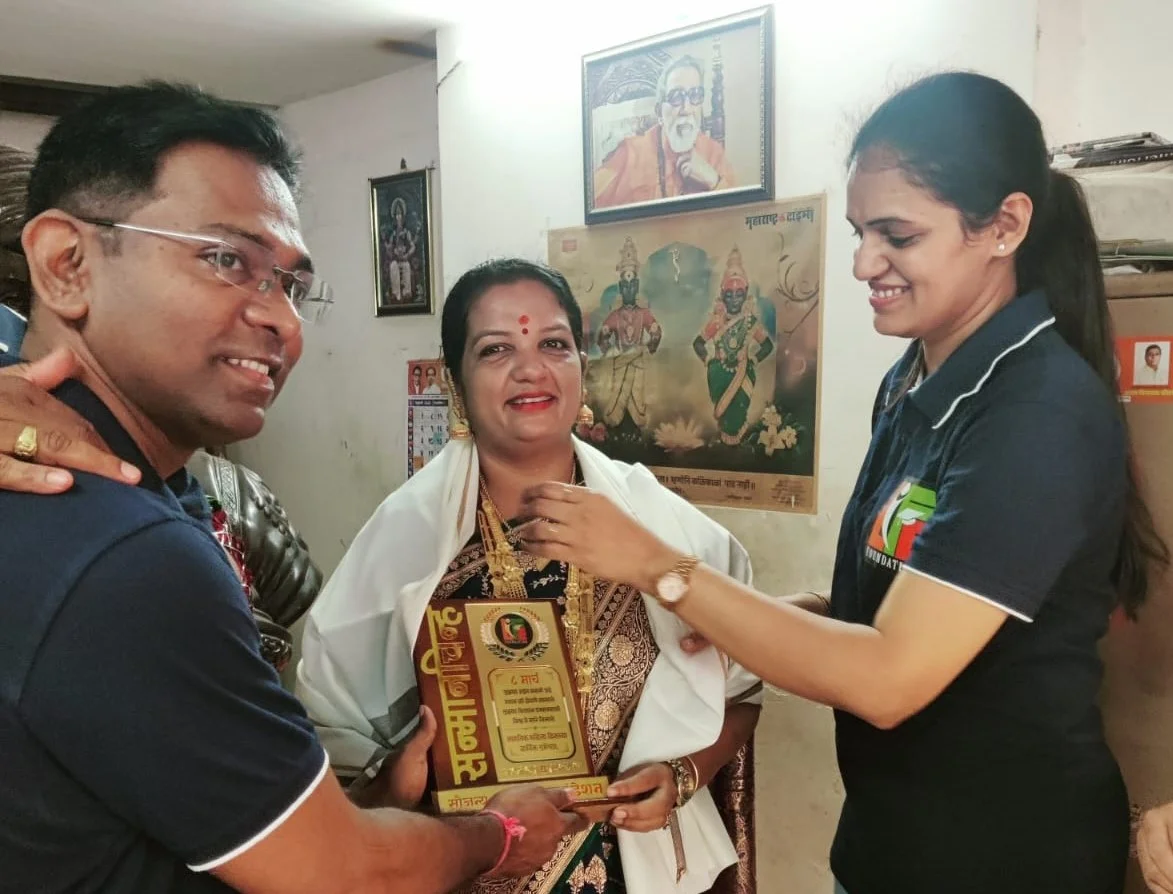
Medical Relief
Operating hospitals, clinics, and dispensaries; organizing health camps; and providing free or subsidized medical treatment.

Yoga
The promotion and advancement of Yoga is explicitly recognized as a charitable purpose.
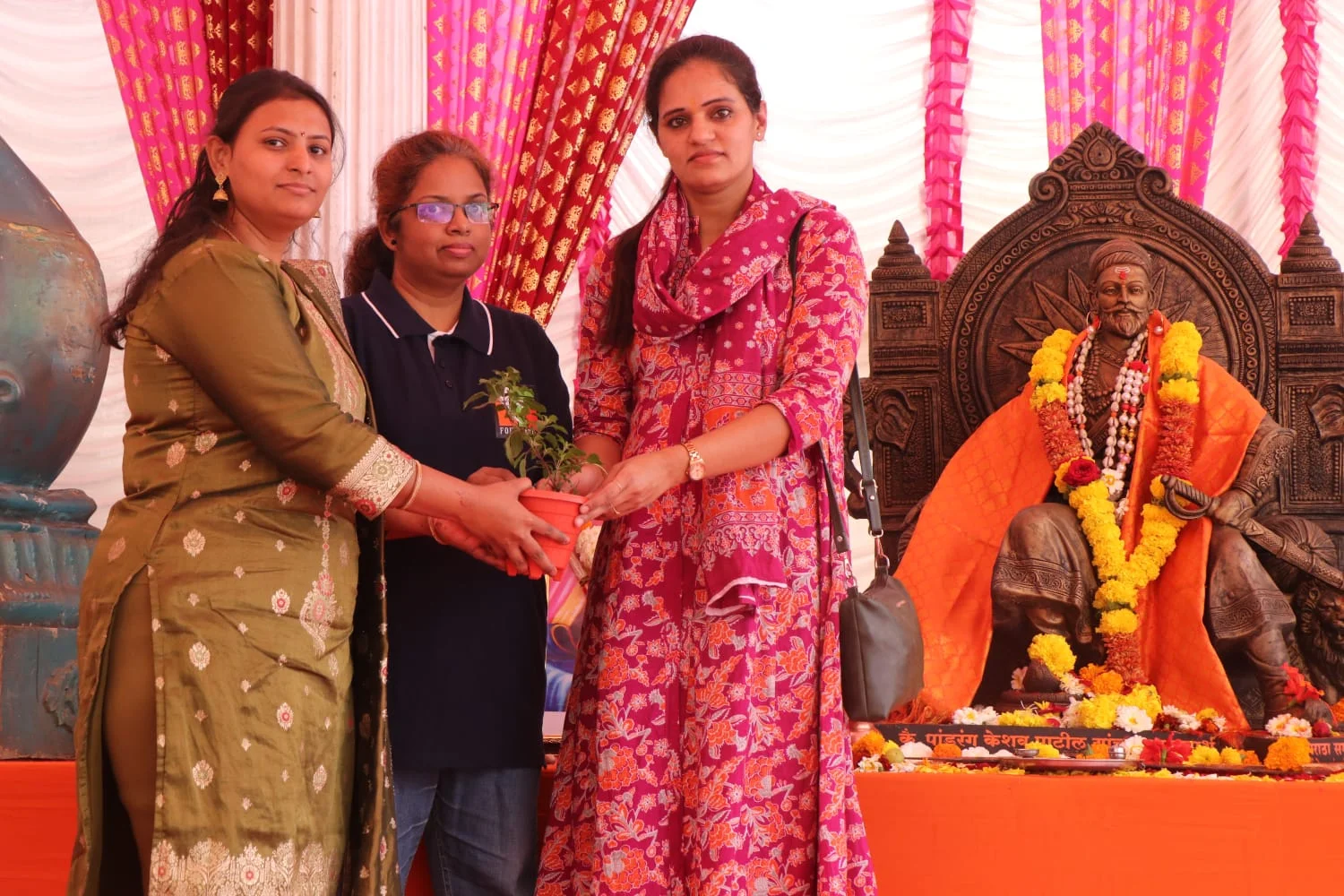
Preservation of Environment
Protecting forests, water bodies, and wildlife, as well as preserving monuments or places of artistic or historic interest.
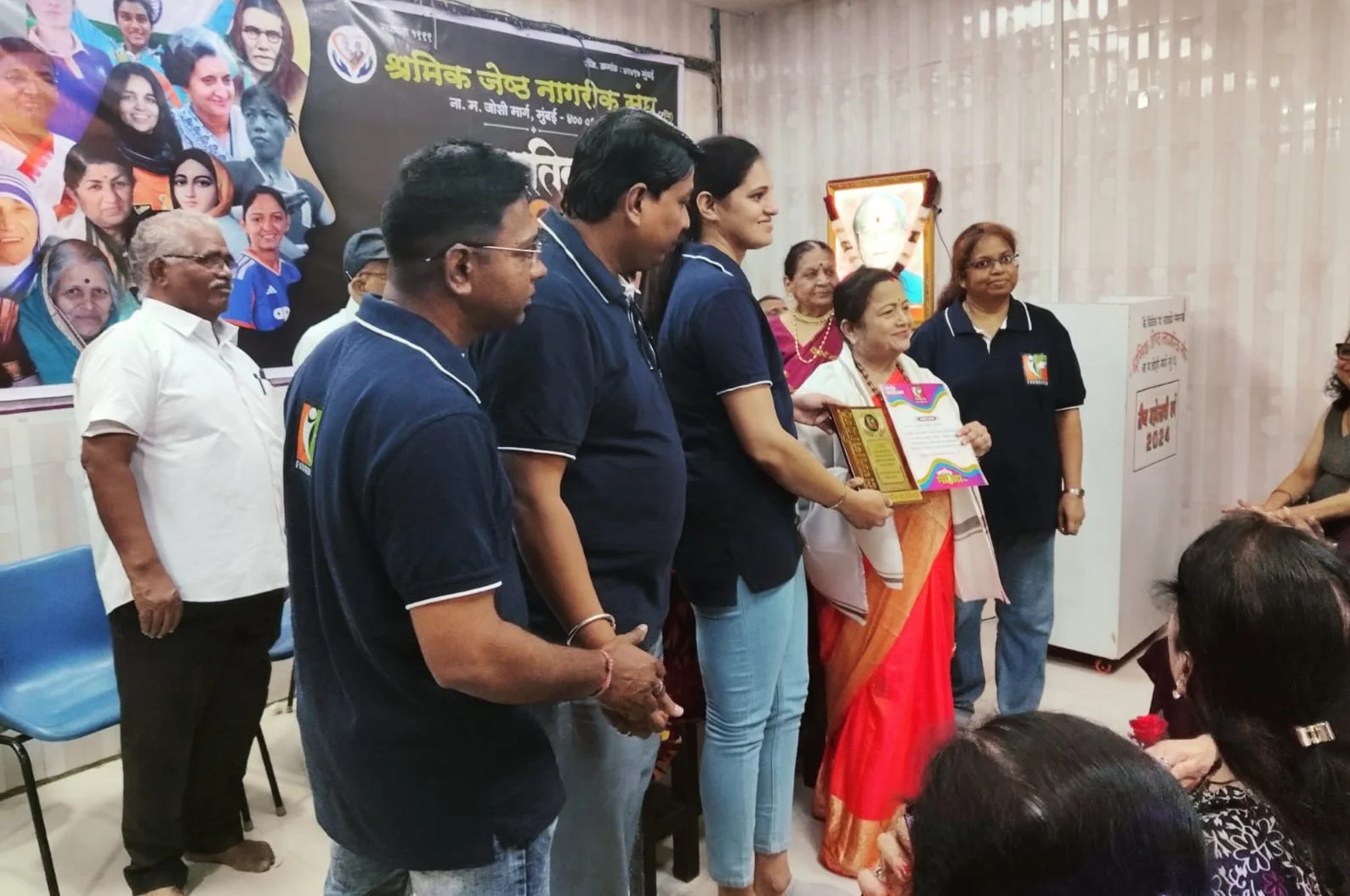
Advancement of Any Other Object of General Public Utility
A broad category covering activities that benefit the community at large, such as rural development, human rights awareness, or public libraries.
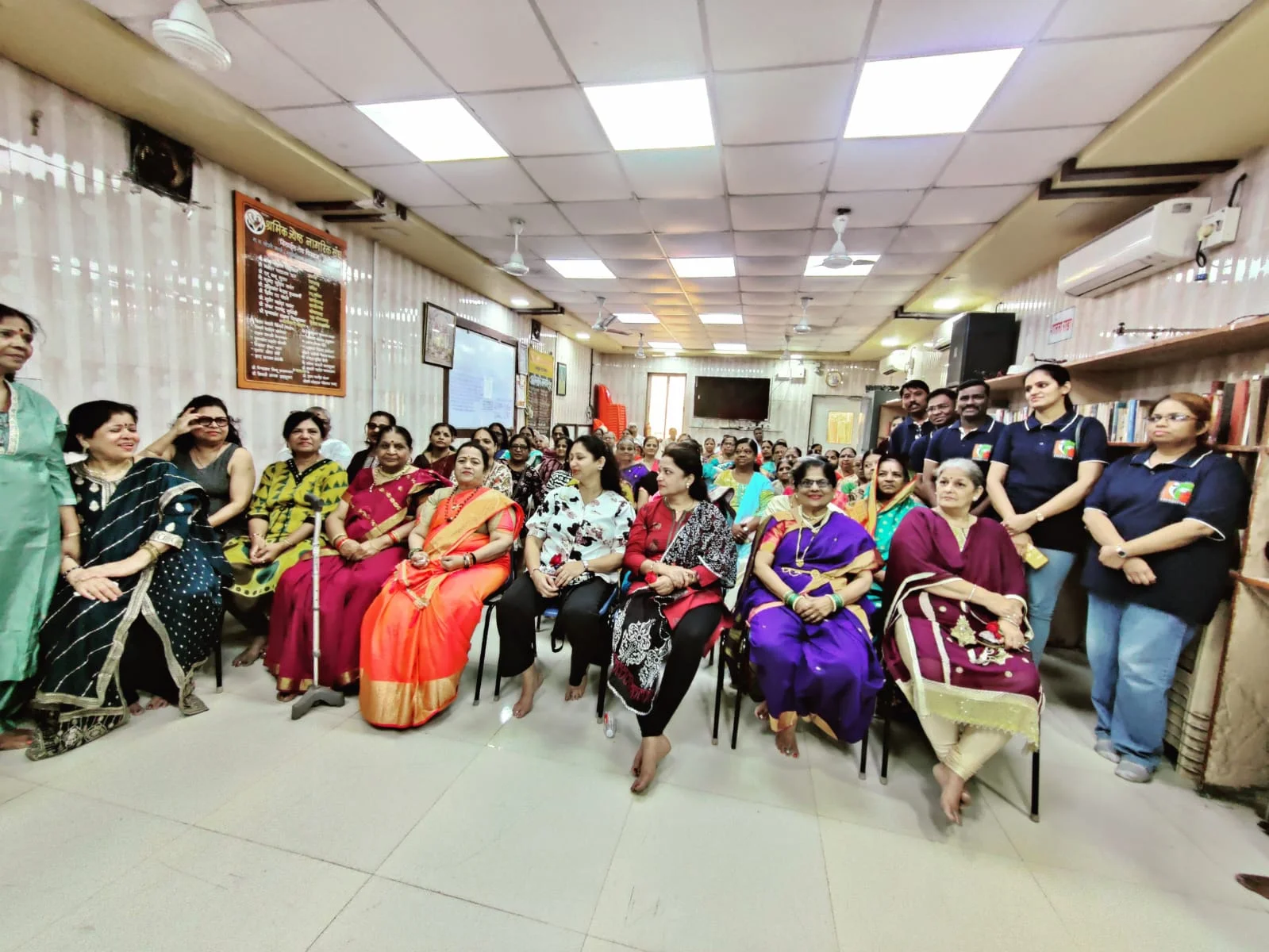
Public Benefit
The trust must serve a "substantial segment of the public" and not just a closed group or specific family.
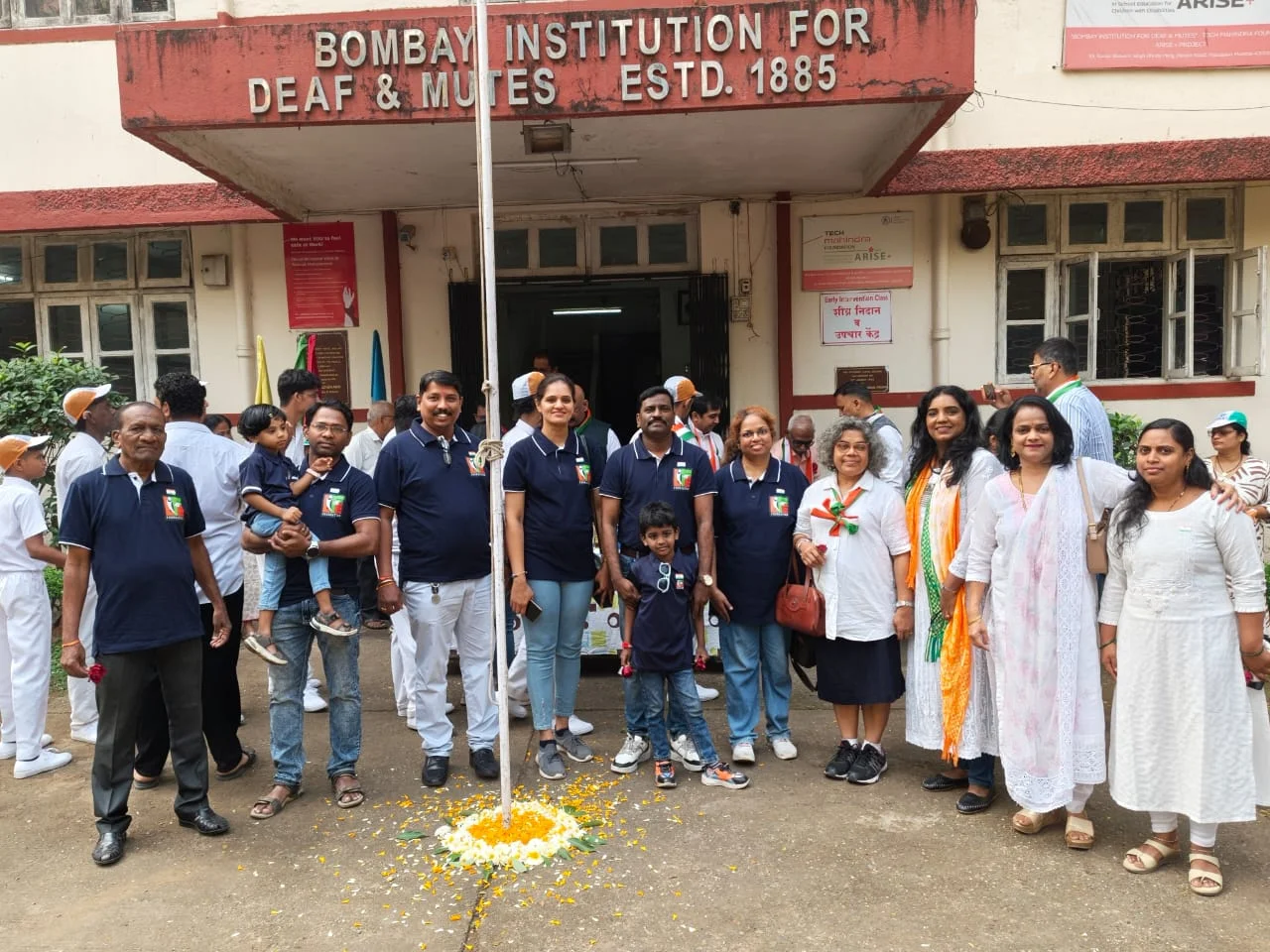
Non-Profit Motive
Objectives must not involve carrying on any activity for profit. Any surplus generated must be reinvested back into the trust's charitable goals.
Irrevocability
Most charitable trusts are "irrevocable," meaning the assets and goals cannot be changed back for the benefit of the founder once the trust is registered.
Non-Political
Objectives should be non-partisan and cannot be primarily aimed at promoting a political party.